
Affiliate Disclosure: We earn a commission if you purchase through one of our links at no additional cost to you.
The nature of light is the most important aspect of photography, and yet it’s frequently one of the most misunderstood topics. Light is essential. It’s like blood. There is no substitute for either one.
Communicating with Light
Since light is essential, I wanted to create a post that provided a foundation on the subject. Something I could use as a reference in future articles to build upon. After all, light is the core of photography.
Surely, there must be something magical about light that comes from nature. Behold the glorious sun! We don’t need no stinkin’ artificial light here! Let’s get more granular than the Natural vs. Artificial discussion. As you’ll see, there are two types of light, but those labels aren’t the correct ones to use.
When understood, photographers can use light to communicate senses, emotions and stories. We can make our images seem magical or desperate by changing the type of light we use.
We often talk about good light or bad light. The truth is the light we use depends upon the scene we want to make. The same light that is good for me may be bad for you. It’s all circumstantial. We do our best when we understand how to get the light we want for the image we want to make.
Describing the Nature of Light
What kind of light do we want?
All of these concepts of lighting speak to our imagination. If we can learn to control the light and bend it to our will, we can use light to communicate to our viewers. That’s what the nature of light means to photographers.
What is the Nature of Light?
Light is nothing more than electromagnetic radiation. It’s just like radio waves, x-rays, infrared, gamma rays and every other type of energy on the electromagnetic spectrum. At its smallest element, light is an individual unit called a photon. Groups of photons interacting with each other behave like waves of water.
However, water flows on a 2D scale, where electromagnetic radiation flows in three dimensions. Light goes in all directions around its source, and it bounces (reflects) on objects which change its direction.
You may have heard before that light travels in a straight line, so how can it go in all directions? Remember, the basic unit is a photon. Some waves go straight this way, some go straight that way, depending upon the source which originally emitted the photons. So light does go in a straight line (until it reflects off something), but there’s plenty of light to go straight in all directions from the point of origin.
Light is electromagnetic radiation at frequencies within the visual spectrum. That means we can see light, but we can’t see other forms of electromagnetic radiation. All of these forms of energy behave in the same way. They all move at the Speed of Light. They all have the same properties – wavelength, amplitude, & polarization. Let’s break those down into simple terms:
We can’t see radio waves because of they have a long wavelength and low energy that our eyes can’t detect. The electromagnetic energy we call Light happens to fall within the range of our visual perception. Beyond that perception, electromagnetic energy continues as x-rays, gamma rays, etc.
Keep in mind that it’s ALL the same thing. The labels that we give them are for our benefit, but otherwise have no meaning at all. The same natural laws as Light govern X-rays and Radio Waves.
The Two Types of Light
If you thought the two types of light are Natural and Artificial, I’m afraid you’re wrong. There is Incandescent Light and Luminous Light, and both may occur naturally or artificially.
Sunlight, fires and regular light bulbs are all sources of Incandescent Light. It happens when atoms heat up and release some of their thermal vibrations as electromagnetic energy. It doesn’t matter what causes the heat that affects the atoms. Since Incandescent Light comes from heated atoms, it’s warm.
You know what I mean if you’ve ever touched a hot bulb or stuck your finger in a fire.
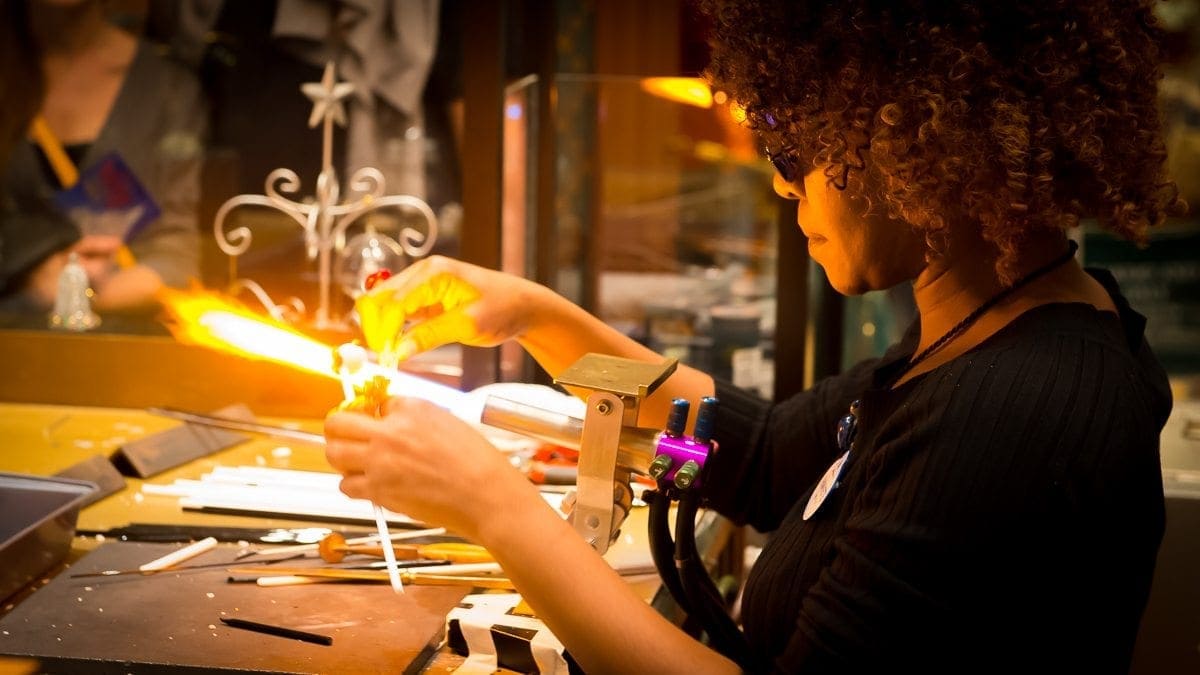
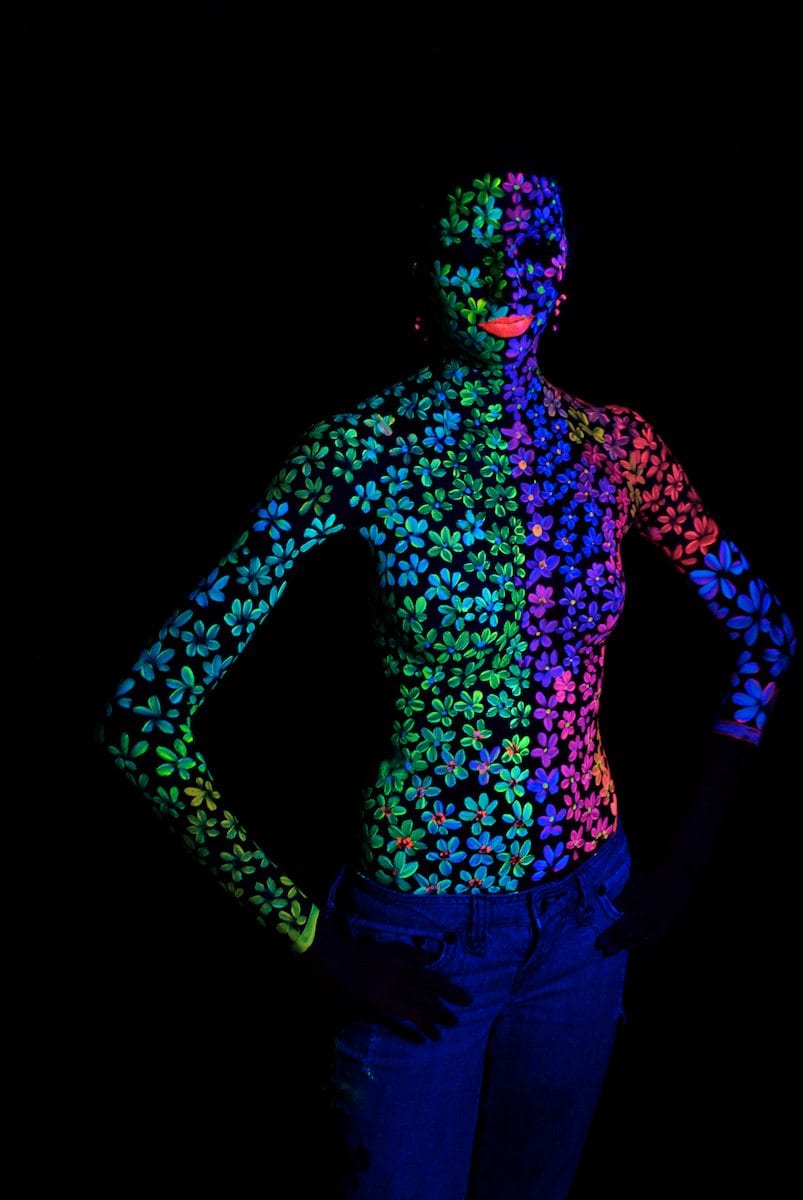
Fireflies are natural light, but they aren’t generating light from heat. Luminous Light occurs when an electron – not an entire atom – releases some of its energy as electromagnetic radiation. This happens when the electron reduces temperature, rather than being caused by heat.
Artificial types of Luminous Light include Florescent, Neon, LED or even Glow-Sticks. Chemical reactions or electricity keeps Luminous Light going, rather than heat. Here’s an example of Luminous Light using glow in the dark body paint.
What Makes Light Hard or Soft?
As photographers, we often hear people say that soft light comes from a large light source. In fact, we’ve seen demonstrations that prove this right before our eyes.
When I watched Joe McNally take the stage at Photoshop World, he took photos of his assistant using a small flash. The first was on-camera flash directly at his subject. Small source of light, straight on – it was hard light. The shadows were dark and sharp, definitely unflattering to his Justin Bieber look-alike assistant.
Next, he turned the flash around on his camera and aimed it at a sheet of white seamless paper behind him. The light reflected off the larger source. As a result, Bieber-clone had soft, dreamy light to go with his soft-dreamy hair and skin. It happened right before a room full of photographers. We saw the results. No doubt – small light equals hard light and big source equals soft light.
As axioms go, it’s useful. However, it’s not the correct explanation. We get our true answer from the Law of Reflection. Simply stated, it means that “The angle of incidence is equal to the angle of reflection.” If light approaches a surface at a 45 degree angle, it will reflect at a 45 degree angle. It’s constant, it’s consistent – except when it’s not.
You see, there are two types of Reflection: Specular and Diffused. You’ve probably heard those words, but do you know what they mean?
With Specular Reflection, all the rays of light are in line with each other. The come in at an angle and reflect at the same angle. That direct path from the source causes hard light.
Here’s an example in direct sunlight without any cover to cause diffusion. There are sharp contrasts and specular highlighting appears on the boxer’s body.

With Diffused Reflection, the rays of light still approach in the same angle, but they’re reflected in different outgoing angles because the surface is inconsistent. We get soft light because of the way diffusion scatters light due to the angle of reflection.
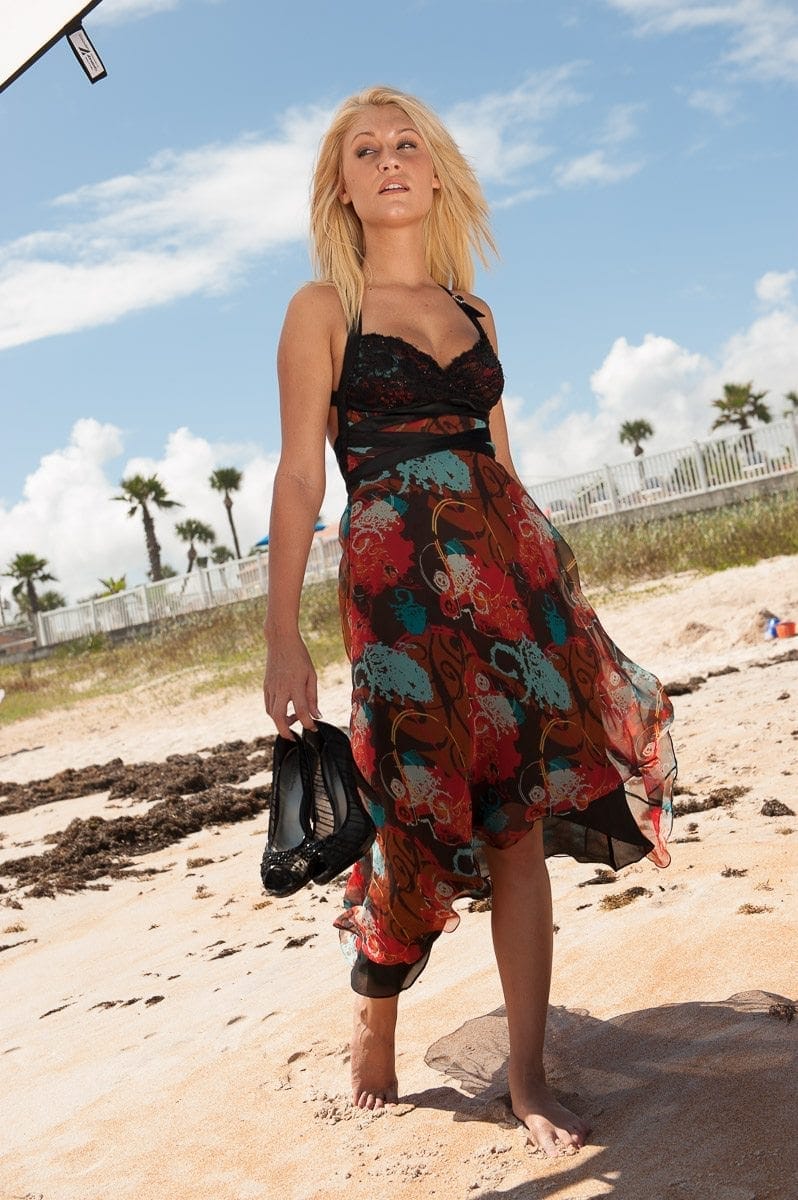
Here’s an outtake from a photoshoot on the beach at midday under harsh sunlight. In the upper-left corner, you can see part of a diffuser in the photo. Notice the effect of the light on the subject compared to the specular lighting on the boxer above.
Both Specular and Diffused Reflections still follow the Law of Reflection, but the angles of the surface change and cause different angles of reflection. If you have a larger source for diffused reflection, you’ve simply created more variables for incidence of reflection, giving you soft light.
Although the sun is the same size and distance away from both subjects, the light on the model is much more flattering for two reasons. First because the diffuser scattered the light. Second, the diffuser becomes the apparent source of light. It’s much larger to her than the apparent size of the sun.
Understanding the Color Temperature of Light
Photographers have to pay attention to something called “White Balance”, which effectively compensates for the color of light.
What color should light be? Some people think of Daylight at a specific color temperature around 5500K (Kelvin). We see products advertised as “daylight balanced” lights. Daylight sounds Natural, so that must be the best light, right?
Let me ask you this question: What time of day?
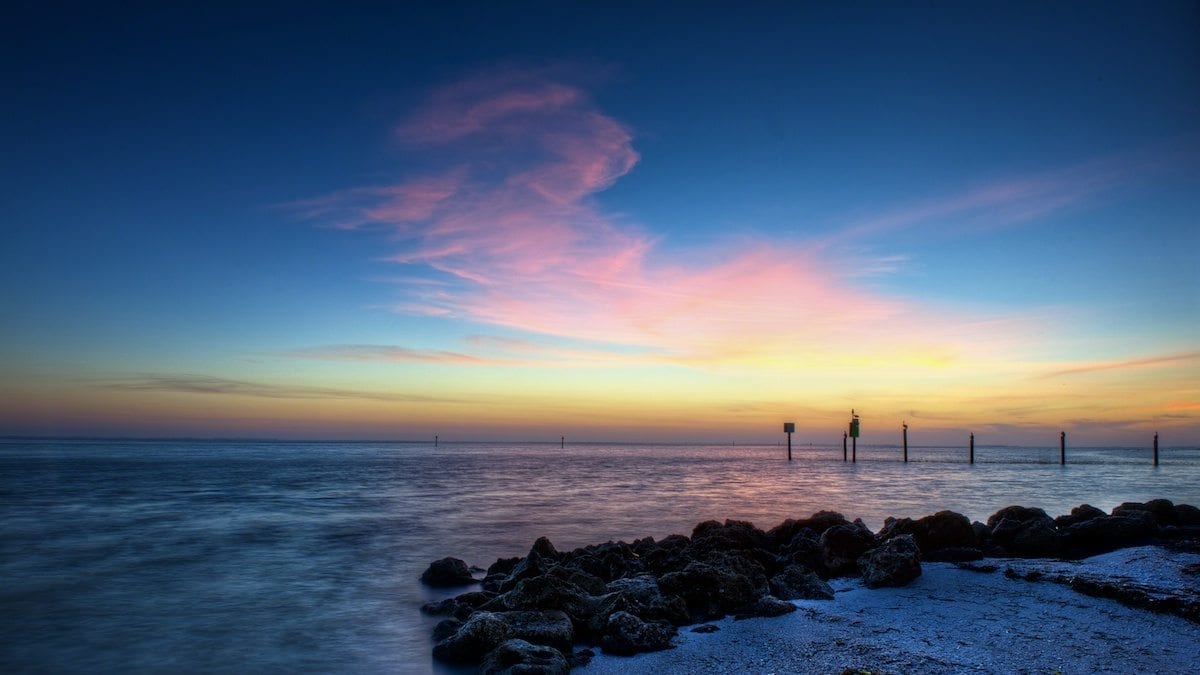
You see, the color temperature of “daylight” changes through the day. So are we balancing for those magic hours at sunrise or sunset, for the midday sun, for an overcast day? The temperature of light changes with the time and weather, so the phrase “daylight” is much broader than most people think.
We want light in different colors for different creative impact. Yellow or Orange makes us think of warmth. Blue colors seem cool. Despite what you may think, there is actually no such thing as White light because there is no wavelength that creates White. We perceive a mixture of colors as White. If you don’t want to look at it that way, just figure that White light includes all the colors of the different wavelengths in the spectrum combined together.
Bending Light
As mentioned before, Wavelength affects the color of light, but there’s another factor called Refraction. Refraction occurs when light bends as it travels through two mediums. Refracted light is no longer traveling at the Speed of Light. It slows down as its bent between two mediums. That makes sense, because what we call the “Speed of Light” is a measurement in a vacuum. Light travels at different speeds dependent upon the medium.
So what is a medium that bends and slows light, and how much does it slow the light? That’s answered by the Refractive Index. Air, Water, Glass, and Crystals are all examples of different media that have a Refractive Index value to indicate how much they bend light.
Put a straight pole or stick in the water on a sunny day. You look down and notice that it seems to bend at a different angle underwater. Shine a light through a crystal and you may see separate colors as you move the light through the crystal. The refraction of different wavelengths show you the different colors of light.
So why does Daylight change throughout the day? Partly because the angle of the Sun changes from our perspective, causing light to refract, or bend. Also, interacting with different media in the sky affects the color of light we see. The nature of light is consistent, but the elements that get in its path always change.
There is another factor to consider regarding the color of light, and that takes us to Scattering. We’ve already learned that electrons can emit light. It’s also true that light can excite electrons, which causes them to jump to a higher energy level. When the energy level falls back to normal levels (as electrons are apt to do), the electrons emit light. In Biblical terms, light begat light.
Coloring with Light
However, light created from Scattering is at a lower frequency and wavelength. Remember, wavelength effects color of light. This is why the sky is Blue or some other color. Lower frequency wavelengths that cause colors like Red are more easily able to pass through air particles than higher frequency wavelengths that cause the color Blue.
During high noon, the light has less distance to travel and those higher frequency wavelengths scatter to cause a blue sky. At sunrise or sunset, the light has more distance to travel and the high frequency wavelengths crap out, but long wavelengths continue to travel – hence enabling The Fixx to write “Red Skies at Night” and making magical sunsets for photographers.

Understanding Polarization
Light moves. It vibrates in many directions. Polarized Light vibrates in a single plane, such as up & down. Unpolarized light vibrates on multiple planes, so it could go up & Down and Left & Right.
A polaroid filter will only allow light in a single plane to pass and it blocks unpolarized light. If you use a polarization filter on your camera, it quite literally blocks light that you don’t want and reduces your exposure by a stop or so.
Polarization is why you can take photos that eliminate the glare of surface water and let you see below – that glare comes from unpolarized light that’s blocked out of your image. Polarization will naturally occur during Reflection and Refraction,
Discussions of Natural vs. Artificial Light Are Absurd
We’ve learned that people who rant about Natural Light don’t know what they’re talking about, and you have my permission to tell them so. Your camera absolutely does not care what created the photons that reflect off our subjects.
Light is nothing more than electromagnetic radiation. It has the same properties as any other kind of electromagnetic radiation, except that it falls within the range of our eyes so we can perceive it. Those properties – wavelength, amplitude, polarization – are variable, affecting how we perceive light in terms of quantity and quality. The nature of light is the same no matter what generates the light.
Do you really need to consider all this information when photographing? No, not really. The time to think about this stuff is when you’re learning about lighting for photography. There is a great deal of misinformation about light from well meaning photographers. Once you understand why light exists and how it behaves, it becomes much easier to bend it to your will.
Sometimes the misinformed comments are simple. For example, a number of photographers will say “the inverse square law affects the fall-off of light.” Well, that’s not what it says. Light is only part of the spectrum of electromagnetic radiation, so the Inverse Square Law applies to radio waves as well as light.
The Inverse Square Law also applies to gravity, acoustics and other physical properties. The point I’m trying to relate is that people tell you what they know, and most people don’t know what they’re talking about because they never took the time to truly understand the subject.
Light is Light
When you understand how things work, then you have a foundation to expand your knowledge.
So the next time you hear someone tell you why natural light is better than flash, or vice versa, you have a basis upon which to determine if they’re helpful or ignorant. Take a look at their photos and see what results they get with their lighting weapon of choice.
There is absolutely nothing wrong with available light. I’ve seen many wonderful portraits taken with nothing more than window light. There is absolutely nothing superior about available light. I can also say that I’ve seen far more flat and boring images with sun light than good portraits. The reason is because you have little control over available light. Instead, you have to chase it like some Easter Egg hunt. That’s why we invented lights and modifiers; so we could be in control and create those wonderful lighting moments on demand.
Don’t think that you cannot control available light. The image above with the diffuser over the model shows that you can control it to some degree. You just don’t have complete control.
Use the Nature of Light to Control Your Emotional Appeal
There are five characteristics you need to understand about the nature of light. Light modifiers exist to control these characteristics. By understanding their emotions appeal, you can add nuances that lift your photos up beyond mere documentation and into the category of art.
Quantity of Light
How much light do you need? The short answer is enough to tell the story that you need to share.
Want something moody or dramatic? Then you don’t need too much light.
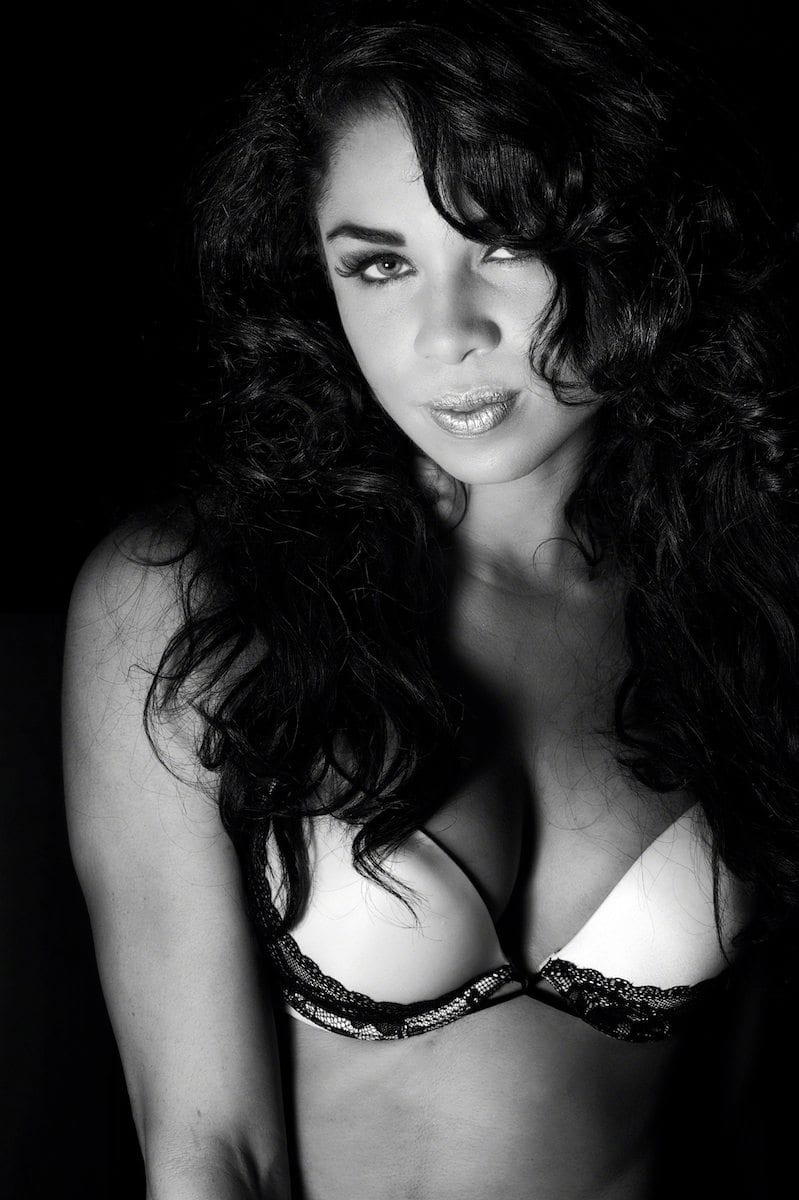
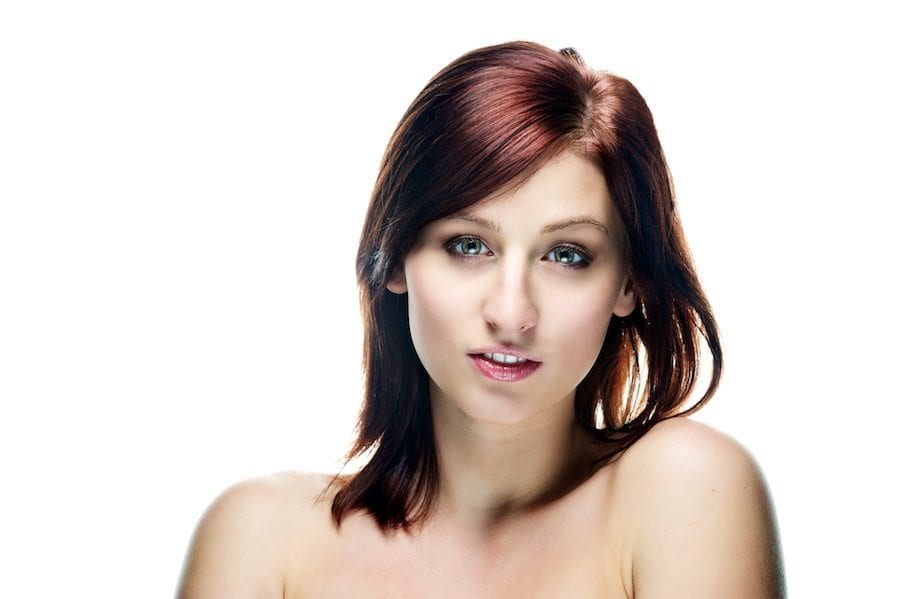
Have a subject that demands attention in bright light? Amp up the power a bit.
Quality of Light
Rather than being concerned about the source of the light, pay more attention to the quality of the light. Photographers talk about light being hard or soft, as an indication of the shadows cast on our subject. It really has more to do with the direction of light and how it reflects.
Light travels in a straight line until it hits something that causes it to reflect. Direct light from a single source can produce dark shadows and shiny, specular reflections.A specular reflection happens when light hits a flat surface and bounces off at the same angle of incidence (meaning if it hit the surface at a 45 degree angle, it will reflect at a 45 degree angle). Direct light is hard light.

A diffuse reflection happens when light hits an uneven subject. The light still reflects at the angle of incident, but the uneven surface introduces more angles to cause reflection in different directions. That’s why soft boxes have a diffuser in front to spread the light around. As light hits the diffuser, the rough surface changes the direction of some light particles, preventing shiny surfaces and filling in areas in shadow to create soft light.

The size of your light source, relative to your subject, determines how hard or soft the light is on your subject. The sun is a large source of light, but its distance reduces its size relative to your subject. In comparison, a soft box next to your subject is a much larger source of light relative to your subject.
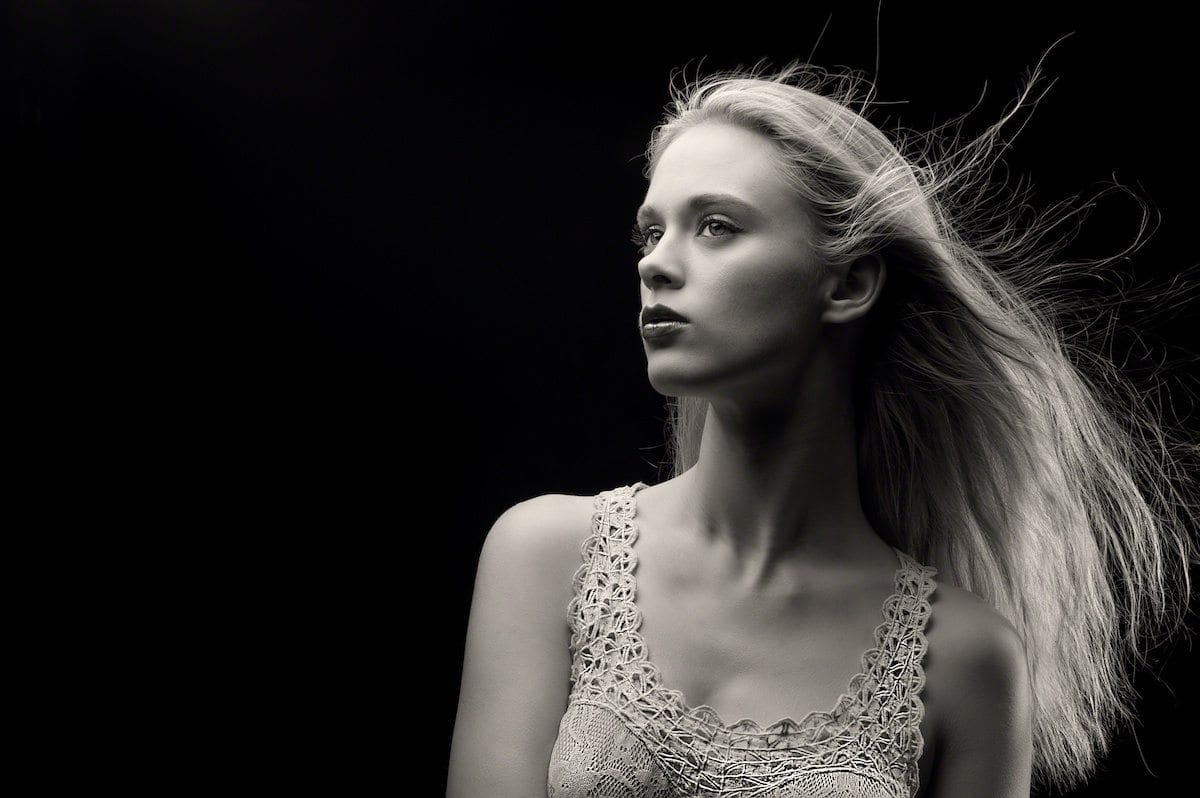
That’s why a diffuser must be close to your subject to create soft light. As you move the diffused light source farther away from your subject, the less diffused light hits your subject. Why? Because that light is traveling in different directions. That leaves you with the direct light traveling toward your subect, even from a soft box. If you want soft light, use a large, diffuse source. If you want hard light, use a small, direct source, like a small flash.
Direction of Light
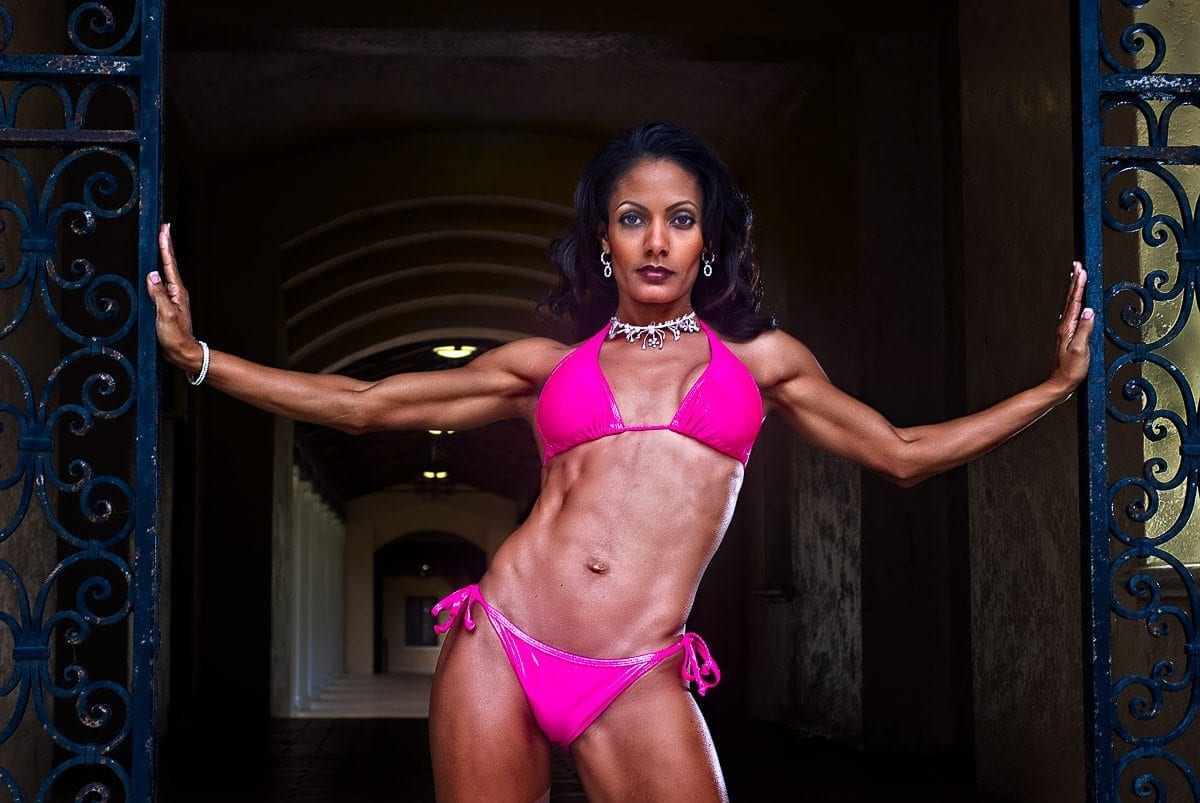
Many times, we’re used to perceiving light coming from above. The sun spends most of its time overhead. Many buildings have overhead lighting. It’s natural for us. Maybe that’s why we have such a strong reaction to sidelight. It’s unexpected and may have dramatic results.
Perhaps that’s why we love seeing the sunrise or sunset. It’s a brief period of day that signals change. Light from below seems unnatural, though, invoking a sense of dread or fear. Under-lighting creates strange shadows where we aren’t used to seeing them.
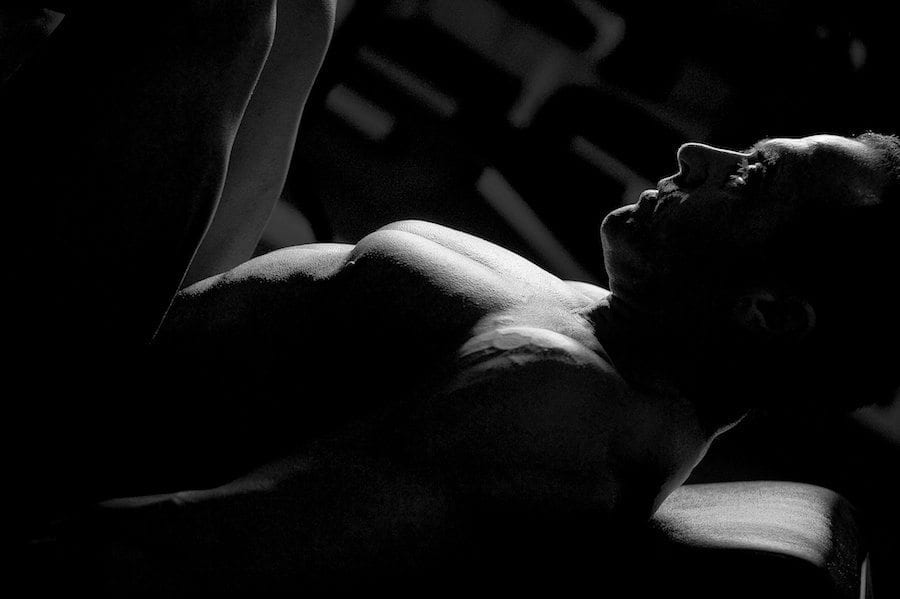
The direction of your light can greatly influence the mood of your scene. Side light allows you to emphasize details of your subject. You can bring out texture, form and depth.
The direction of light also gives us silhouettes. Highlighting the edges of a form makes it seem dramatic.
Color of Light
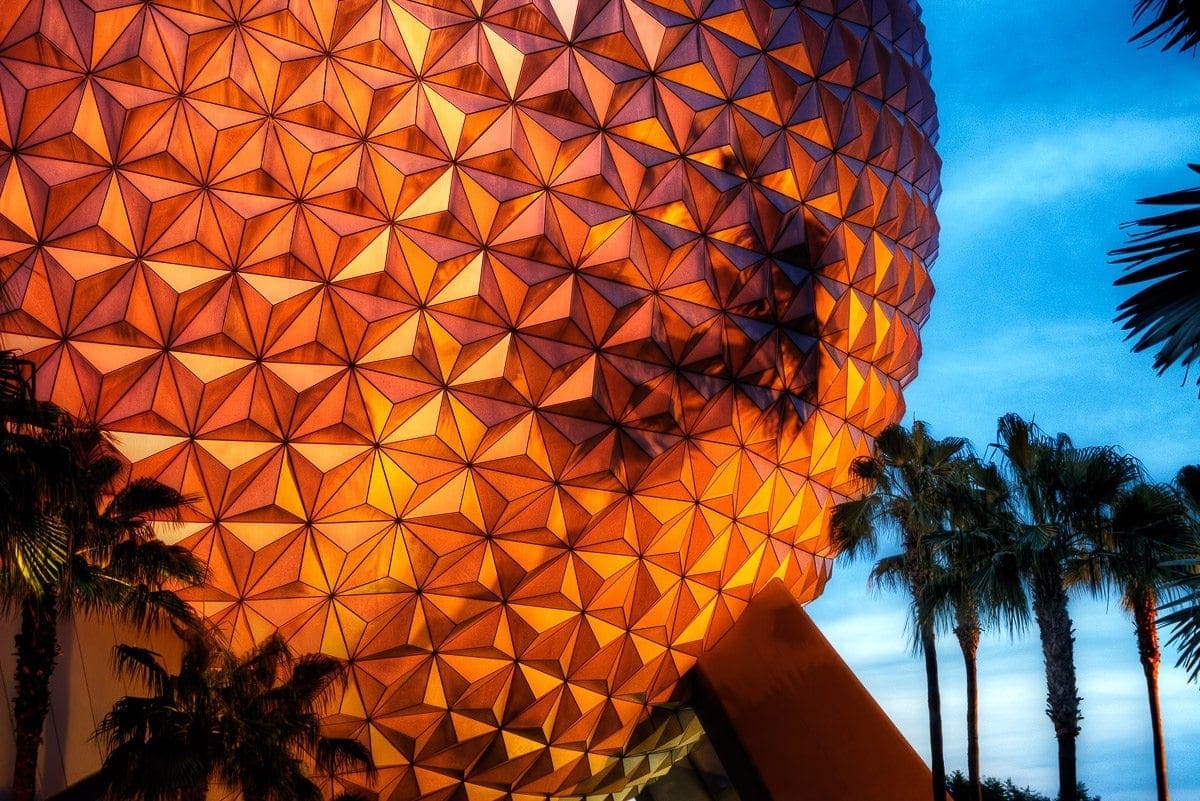
Temperature affects the color of light, and therefore, how we perceive it. In nature, incandescent light changes color from red to orange, and then to yellow, as temperature increases. We respond instinctively to the color of light – cool blue light or warm orange glow. We can make a person seem sickly by using green light, or the picture of health using daylight. The color of light affects how the human mind perceives a scene. That’s why theatrical productions use color on lights to set a mood for a scene. It’s in our nature to respond to color.
Blue lighting on stage often indicates a calm mood or slow song.

Combinations of lighting colors can bring out strong contrasts.
Duration of Light
When you’re shooting with available light, you probably don’t have control over its duration. You can’t turn off the sun when you want.
Using small flash or studio lights gives you another aspect of control called Flash Duration. It’s how you can make something appear sharp even when you have a long shutter speed or if you want to freeze motion.
Here’s an example of a combination of a short flash duration combined with available light.

In this shot, I’m panning my camera with the motion of the biker. The available light turns the background into a blur. Then there is a short burst of flash. The flash duration is much shorter than my shutter speed.
You can see that parts of the image where the light from the flash hits is clear and sharp. Look at the biker’s face, the front tire, and the ground below his bike. Because the duration of light in those areas is so short, it allows the camera sensor to capture a brief moment without motion blur.
Mixing Particulate Latter With Your Light
One way to make light more interesting is to interfere with it. Diffusion does that, but you can also block parts of your light or mix it with some particulate matter. Fog, smoke, dust or flour are all good examples of mixing matter with light to create atmosphere.
Sometimes nature does this. Whether you call them God Beams or Crepuscular light, the effect can be interesting and emotional.

You can make your own interference with a fog machine for dramatic effect.

Use the Nature of Light to Enhance Your Creativity
Understanding these characteristics about the nature of light is not only essential for your photography, but also for your creativity.
Instead of just using the available light as it is, you can start envisioning how your photos should appear. Sometimes that means waiting for natural conditions to occur. Other times it means bringing along some helpful tools or materials to shape the light.
Whether you’re using available light or flash, just remember that light is a creative and essential tool. There is no replacement for light, but that doesn’t mean you can’t or shouldn’t change it for you creative needs.