
Affiliate Disclosure: We earn a commission if you purchase through one of our links at no additional cost to you.
One of the things that I really liked about the Zack Arias OneLight DVD was a photograph he showed to illustrate the Inverse Square Law, or in simpler terms, light fall-off. In it the photo, he marked off the light meter readings to show the f/stop of light as it traveled away from its source. It was a very simple and extremely effective demonstration of how light travels forward. He also has the same photo in his excellent tutorial on shooting with white seamless.
Recently, I’ve had discussions about the nature of light and softness. To be fair, much of the conversation was really splitting hairs regarding physics, rather than ultimate effect. More specifically, the discussion was whether a dome cap on a flash softens light. A few people took the position that it did, and I took the opposite position, that simply diffusing light at the same size does not soften light – it only reduces the amount of light traveling forward and it spreads light around so it may bounce off other surfaces (e.g., a ceiling or walls). By bouncing off a ceiling or wall, you change the apparent size of the light to your subject, and that is what creates softness. David Hobby has a good explanation how apparent light and closeness to your subject affects the quality, or softness, of light.
Here’s why we were splitting hairs on the discussion. If you’re in a room and you put a dome cap on your flash, the light spreads and you see a softer result on your subject. To many people, that’s cause and effect that the dome is what caused the softness. Not quite. The dome is what spread the light to bounce off other surfaces. The light reflected, or bounced, from a larger surface onto your subject is what caused the softness. It’s a subtle detail, but one that’s important to note.
Use that same dome outdoors with nothing to reflect, and you’ve not softened the light on your subject at all. The dome still causes the light to spread – seeking a surface to alter its course. If there is no reflective surface, then a smaller portion of your light output hits your subject. That essentially give you the same result as lowering the power of your bare flash.
With that in mind, I decided to mimic Zack’s illustration, but for a different purpose. I lugged my camera and tripod out to the driveway, placed a flash in front of the garage door, and took some shots to see how the light changed from a bare SB-800, to the SB-800 with a dome diffuser, and finally to the SB-800 with a Gary Fong diffuser.
I took all of the shots at 1/4 power on the SB-800. The camera was set to ISO 200, 1/80 second, 60mm. For the first three shots, I used an aperture of f/16. For all of the remaining shots, I switched to f/11. All of the shots are straight out of the camera with no post-processing or tweaking.
Here’s what I found:
Side-View
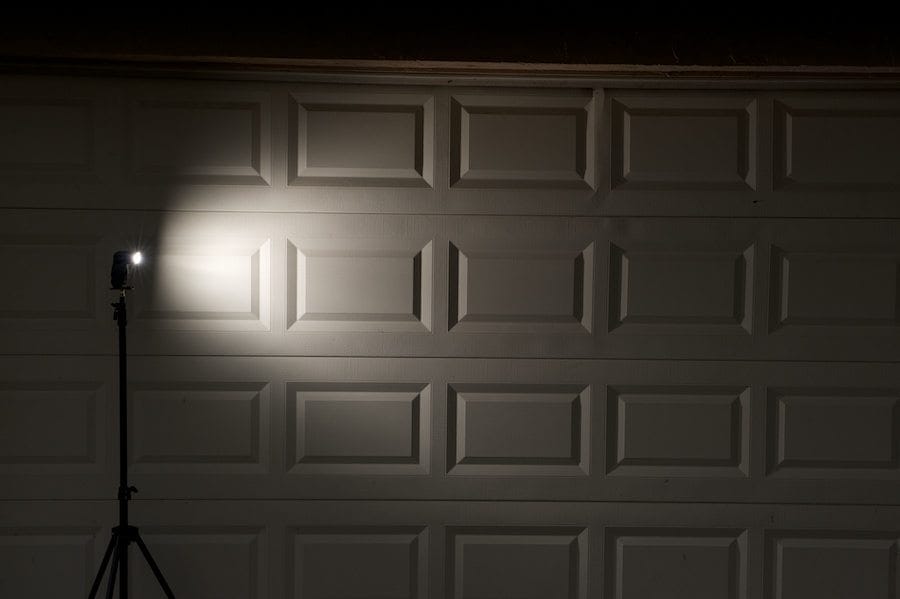
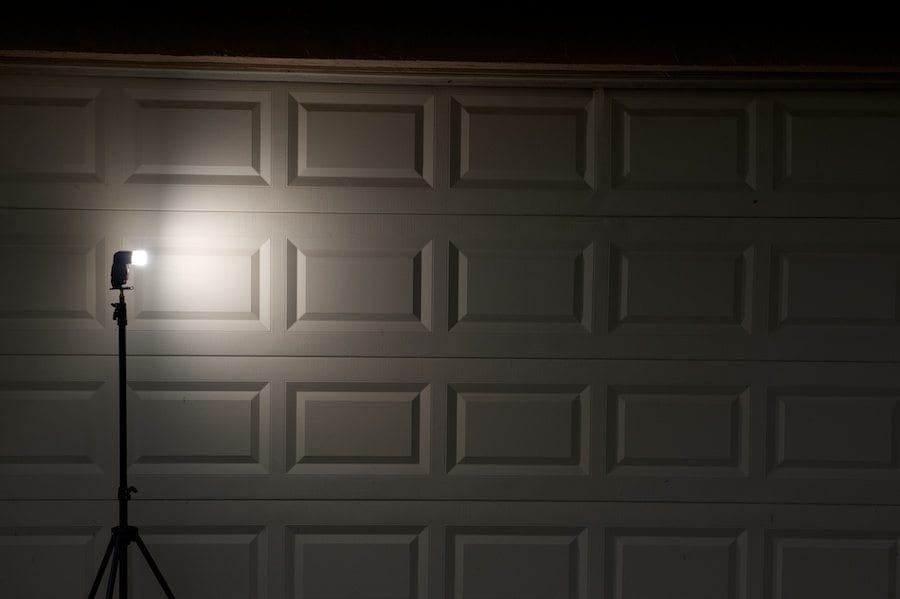
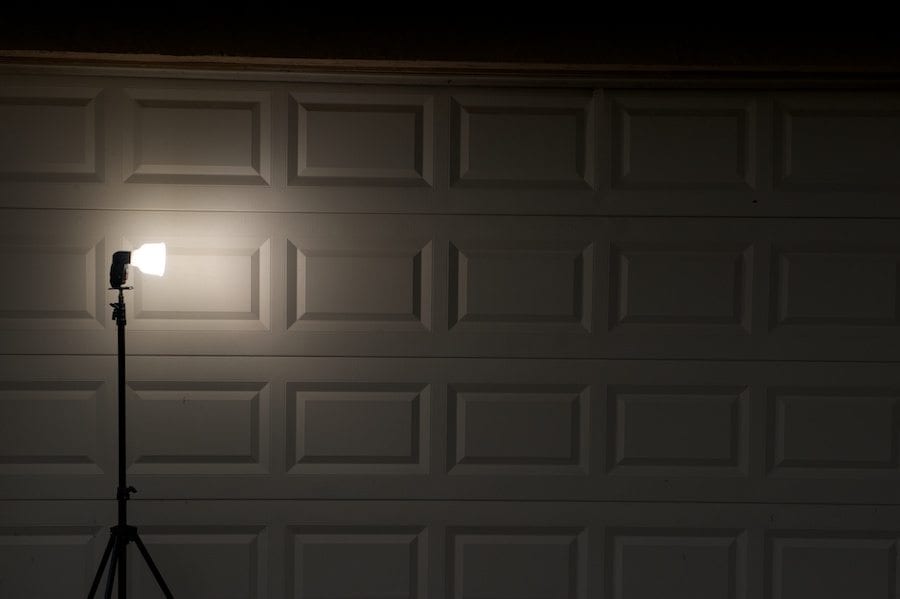
The first thing you note is the distance the light travels from the flash toward the right. However, note that light travels behind the flash when using the two types of diffusers. Also, note the light traveling toward the camera is larger when using the domes. That’s not unexpected, as they’re supposed to scatter the light. Without a dome, more light moves forward as there’s nothing to change its path. Note how the changes in the light source affect reflection from the garage door.
Straight at Garage Door
These shots are about two feet from the door.
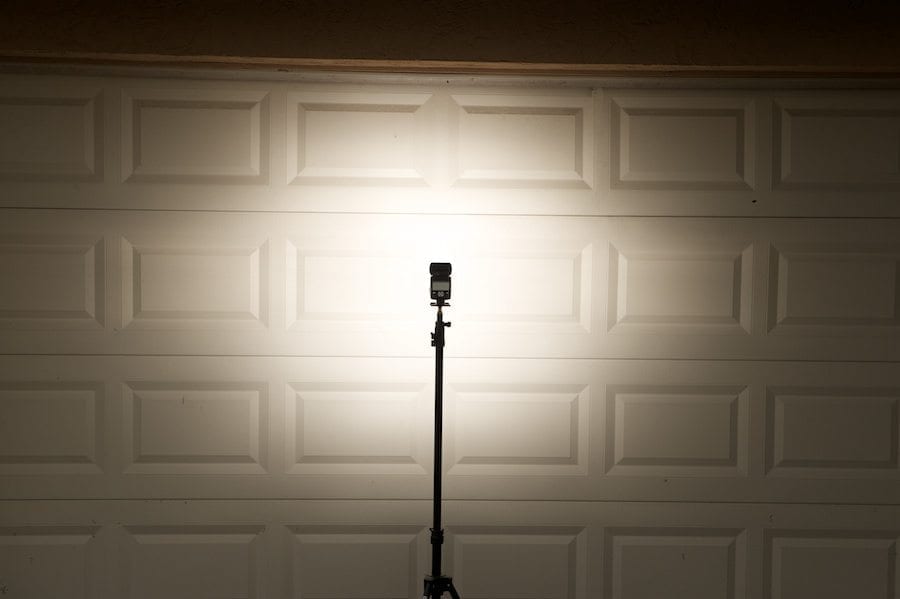
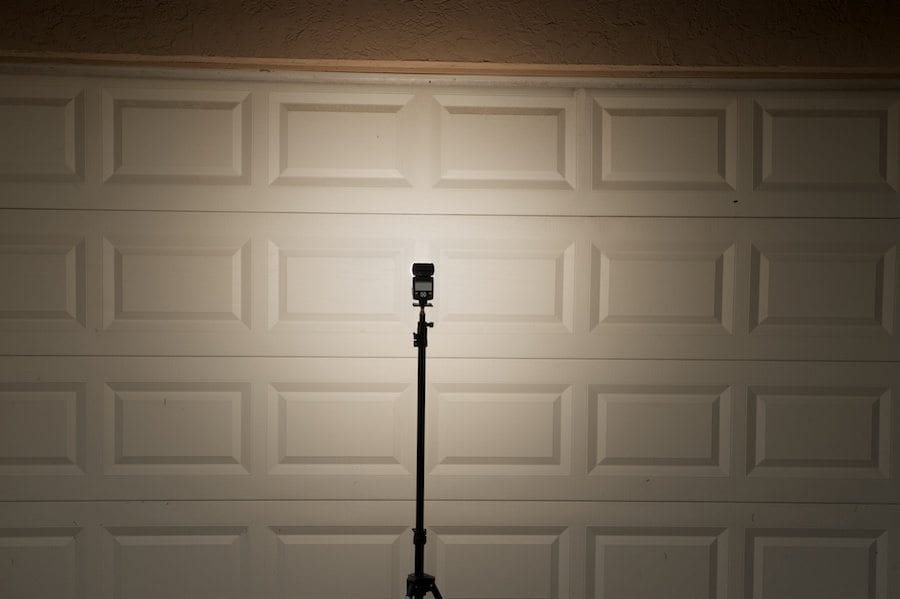
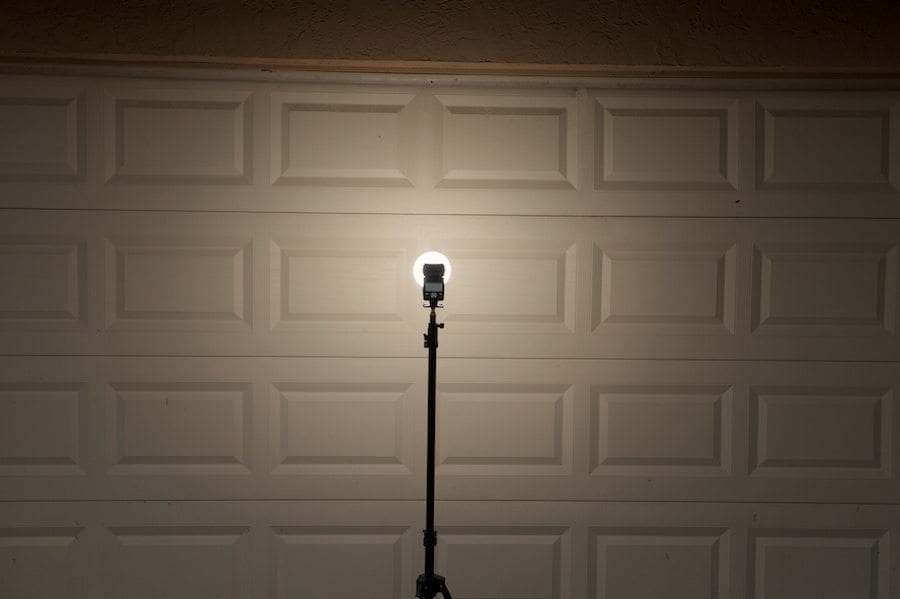
In this series, you can see the effect of the light changed by the modifiers. Remember, the flash remains at consistent 1/4 power on manual mode. The difference you see with the dome caps is from two aspects. First, the intensity of light leaving the flash is reduced by the diffuser by a stop (perhaps more). Although the flash is at the same power, the dome material cuts the amount of light in half. Second, the light that does escape the diffusion material scatters in different directions. The net result is FAR less light traveling in a straight line. Is the light softer because of the dome, or is it just spread thinner around a larger surface?
Straight at Camera
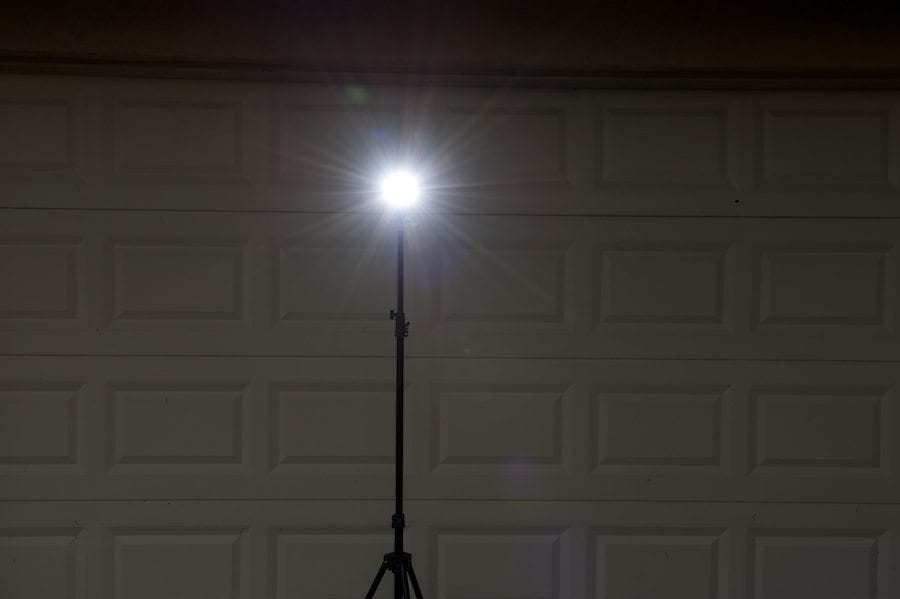
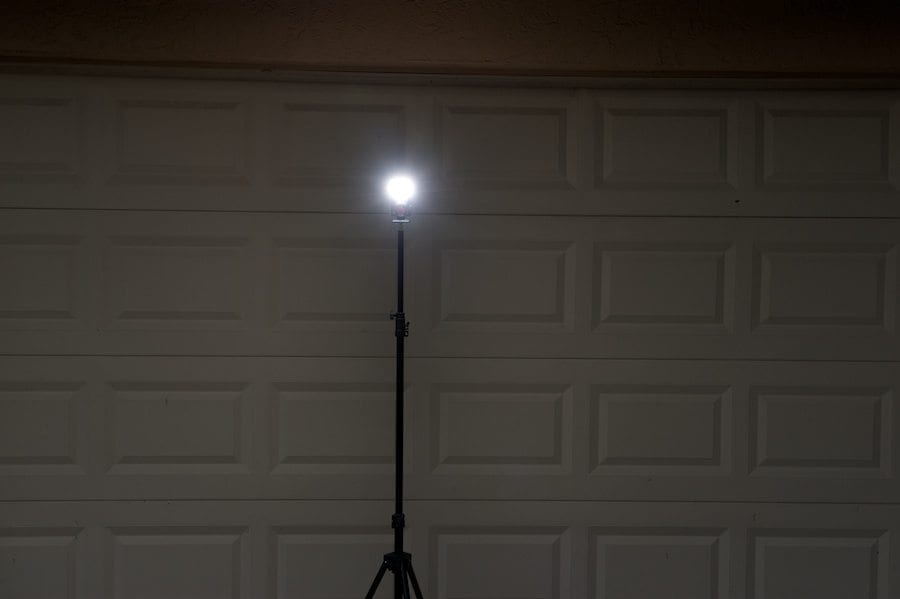
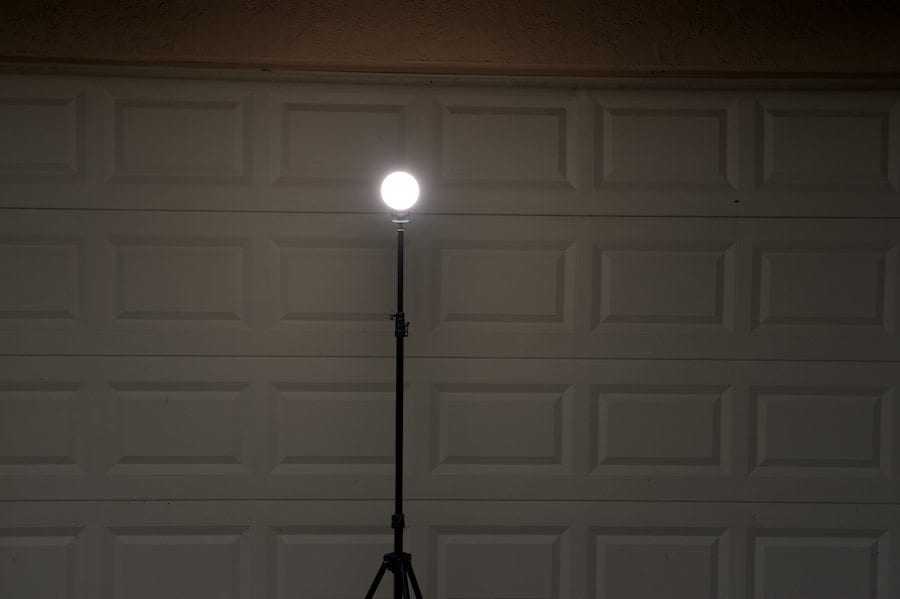
In this series, I pointed the flash head straight at the camera. You can’t really see the dispersion of light from this perspective. All you can see is the relative brightness of each modifier. Of the three, the first two appear to be the same size because…well, because they are. It may be a simple thing to note, but the dome diffuser does not change the size of the light apparent to your subject. All it does is cut down the light traveling to your subject, both by diffusion and dispersion. Since the apparent light isn’t any larger, the light hitting your subject isn’t any software. There’s just less of it. The Gary Fong dome is slightly larger, but not significantly so.
What if we tried to overcome the difference in light levels of the domes to compare with the bare SB-800 flash? I decided to increase my ISO to see how the domes appeared:
1 Stop: ISO changed from 200 to 400
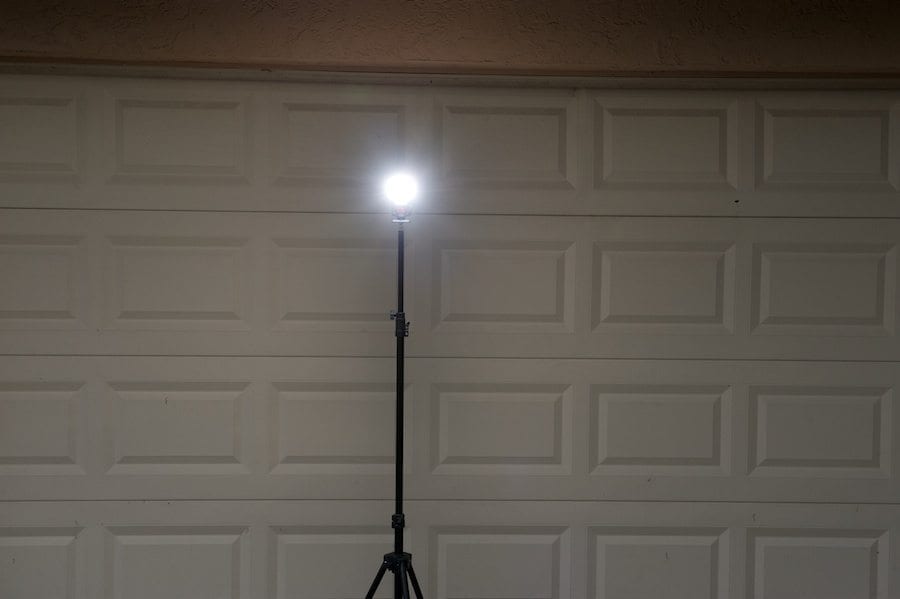
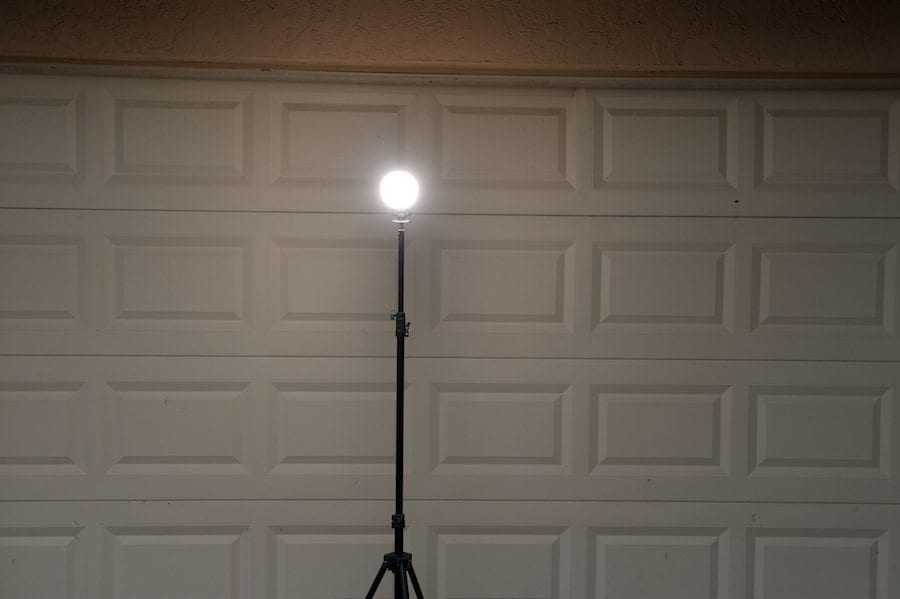
Both are a bit brighter. The SB-800 Dome is starting to look more like the bare SB-800 shot. What if we kick up the ISO another stop?
2 Stop: ISO changed from 400 to 800
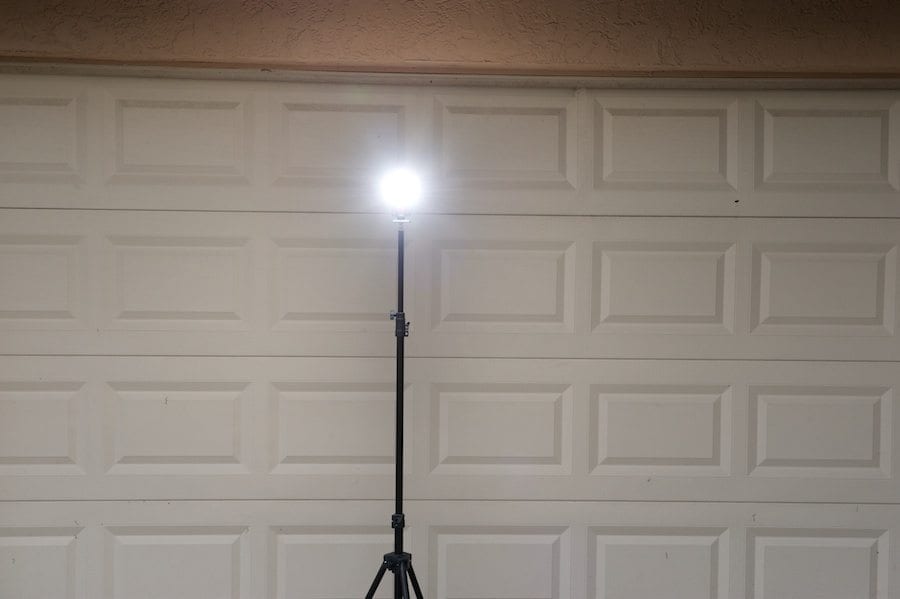
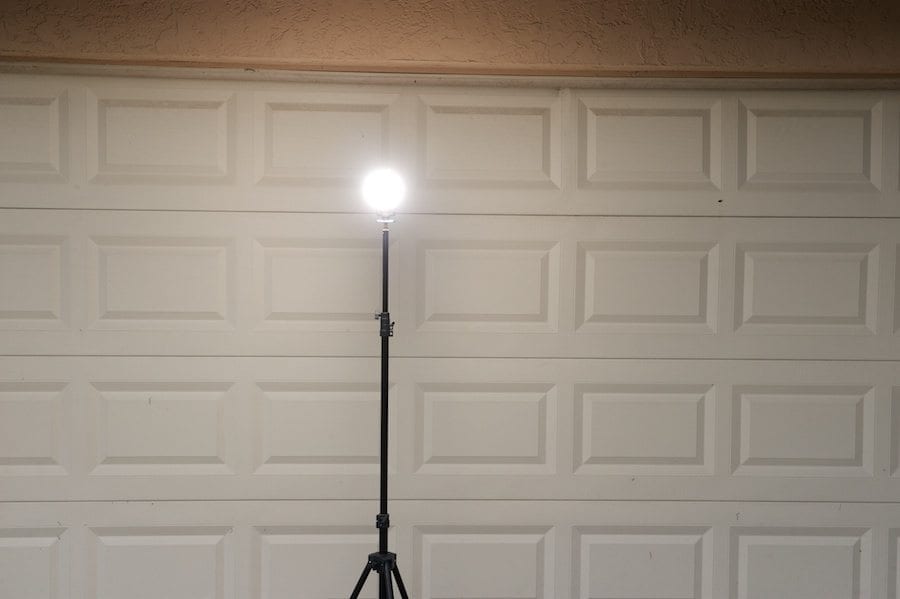
Amazing. We changed the ISO to compensate for light lost by the diffusion material of the domes, but it did nothing to increase the size of the light. I guess that means that it hasn’t gotten any softer because the apparent size of the light hasn’t changed at all with relation to a subject.
Conclusion
This isn’t to say that domes aren’t useful, nor that you can’t use them to modify the light on your subject. It’s merely meant to illustrate how they modify the light and the importance using them to bounce light off another surface, a larger surface, to create a softer light on your subject if you want to eliminate harsh shadows.