

Affiliate Disclosure: We earn a commission if you purchase through one of our links at no additional cost to you.
The Joy of Selling Stock Photos
Like other photographers, I occasionally get some e-mails with opportunities for selling stock photos. Someone always has a need for images to use in a document, a book, for an advertisement or poster. Unless they have a very specific need, such as a company promoting their own product, it makes more sense for them to search for an image that conveys their message than to commission a photo shoot. They head to the Internet and start typing in search terms to find it.
That presents a dilemma for some photographers. They want to know how they can make their photos stand out more in search results. The answer is much simpler than most people think and I was reminded of it last week by Serge Ramelli on an episode of The Grid asking if there is money in photography. Serge’s advice was straight-forward, yet missed by many photographers.
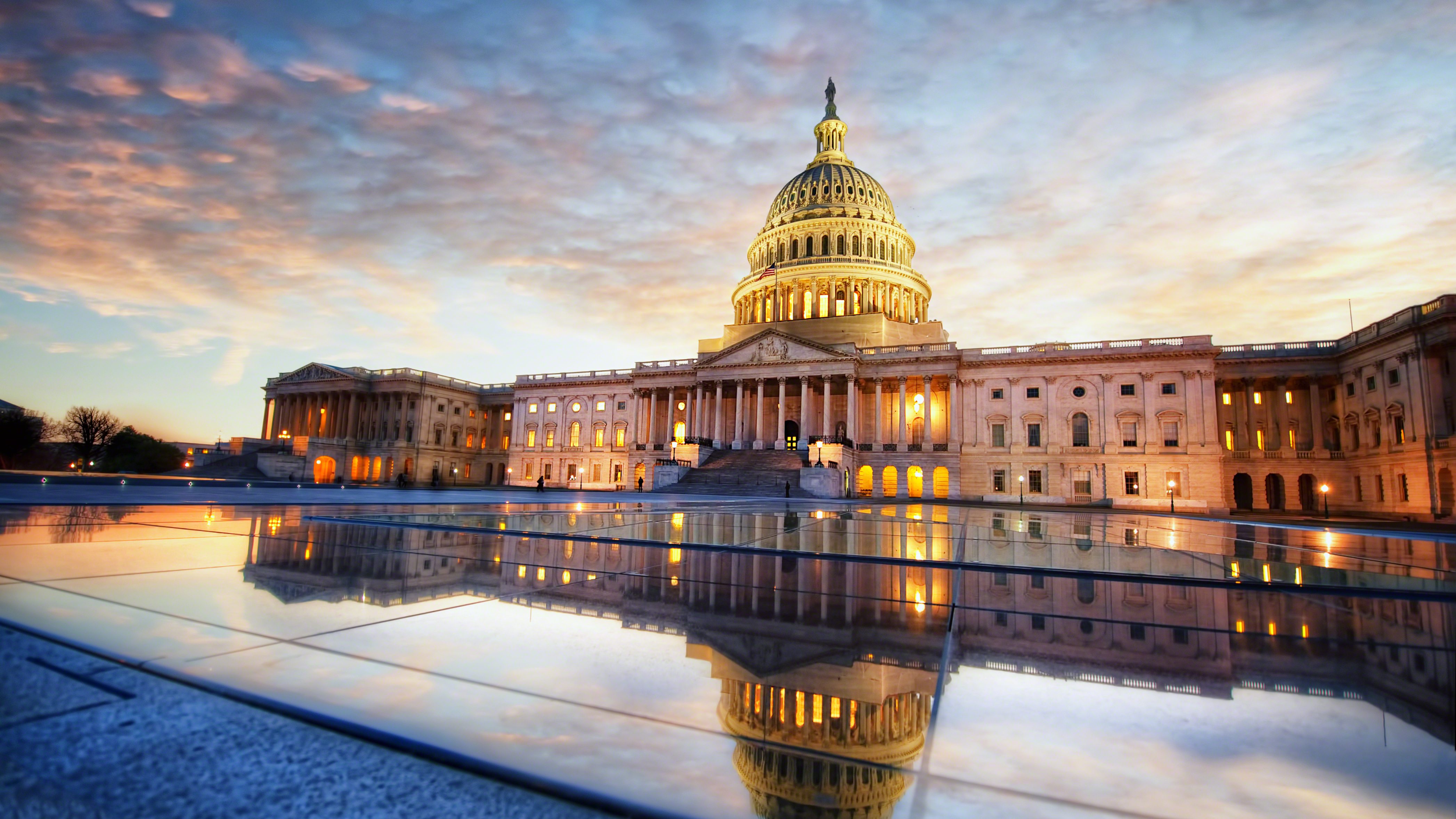
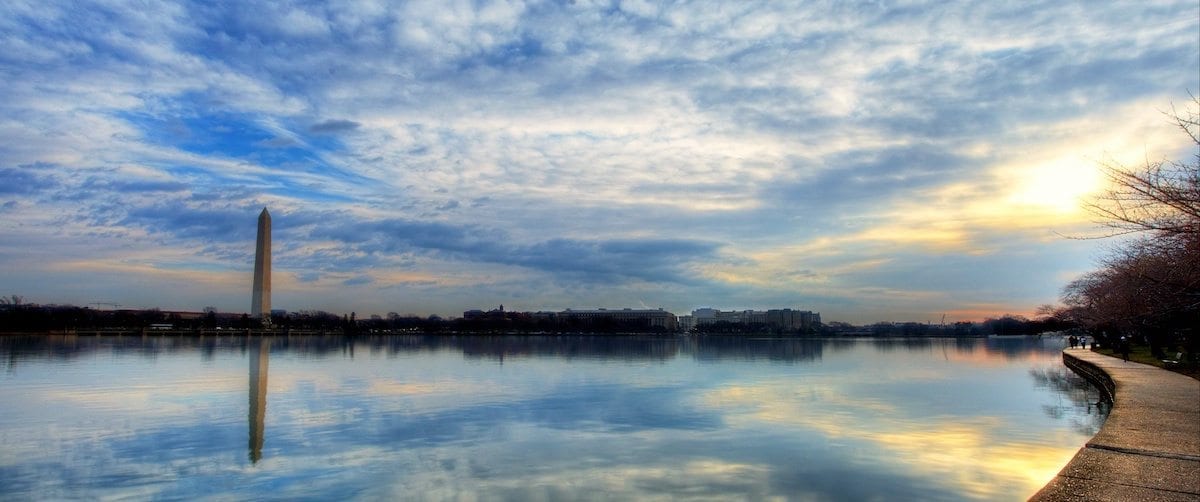
If you want someone to find your photos in a search engine, use text that a person is likely to use in a search engine. In other words, call it by the name of your subject rather than some artistic name that is meaningless to a search engine. Consider the photo I posted above and the title in the caption.
U.S. Capitol Building Reflection
I could have called this photo anything else. For example, I could have named it “By Inferno’s Light” and felt clever, but that’s not going to help it show up in search results for people who want a photo of the U.S. Capitol building. Search engine spiders cannot see the photo, so they have to rely upon text to understand what it is and provide information to return it in a search result. There are a few things you can do to help the search engines find your photo.
- Filename – Give it a file name that describes the subject.
- Alt Tag – This is the field that the search spider reads to describe the photo. Perhaps you could call it “By Inferno’s Light” in the Title tag, but you want to call it “U.S. Capitol Building” in the Alt tag.
- H1 Title – Search engines work on the theory that information in an H1 tag are important, so use your photo description in an H1 tag – just as I did above this section.
- Caption – The search engine may find your photo, but a person is going to review the search engine results. Use this space to describe your photo for a human, including giving your copyright info and name.
Additional Licensing Issues
Most of the requests I receive to license my photos fall into three broad categories.
- Government (Washington, D.C. area, NASA)
- Disney
- Star Wars
Although I have a few portraits, I’ve never received a request to license any of them. That doesn’t surprise me, as I think most times when someone needs a model, they want to create their own photos and ensure all of the model releases are in place. The last thing they want is to license an image from a photographer and then get sued by a model because she never provided them with a release (or the one the photographer had didn’t cover the usage). That’s not to say that people don’t buy stock images with models. They do it all the time. However, I need to represent those images properly if I expect to make money selling stock photos of people.
With that in mind, I always find it odd that people want to license my photos of Disney and Star Wars subjects. Some I understand, such as a Disney image for a travel guidebook. Others surprise me, though. I received a request to use my photo of Han Solo frozen in carbonite to use on the label of a skin care product.
It’s not that I don’t want to make some money licensing these photos, but I also want satisfied clients. That’s why I always give them the caveat about using these images. While I own the copyright of the photo, Disney owns its trademarks and other legal claims to the subjects of these photos. That means my potential client not only needs to license the photo from me, but also to license the rights to use the character or subject from Disney before they make any commercial usage of the image. Once I bring that up, I can hear the sale slipping away from me like a balloon losing air. Phhhhttt!
On the other hand, I can license government photos all day long. Guess who wants to use my photos of U.S. government locations the most? The U.S. Government itself, or at least different branches of it. To date, not a single person from the government who inquired about licensing one of my photos has ever come forth with a budget. Uncle Sam doesn’t like to pay for photos, either. I’m sure that someone is selling stock photos to the U.S. Government, but I’m on the wrong end of that transaction.
Take a look at how you’re presenting your own photos. Are you making it easy for photo buyers to find you? If not, start changing the text you put in those four areas mentioned above.

I’m finding that institutions are becoming more aware of their image rights, too. I visited Fort Totten (Queens, NY) during this year’s Open House New York, and park rangers told us pretty immediately that pictures we took could only be for our own private, non-commercial use. The site had just been used as a stand-in for a South American hospital for an ABC show, and doubtless NYC is conscious of its revenue opportunities.
Cemetery of the Evergreens bans photography (and security will approach you during your visit if you have a camera out); but there is a coffee table book devoted to it, and I’m sure they saw some revenue of some sort from it.
Are these US government sites, state sites or city sites? I’d be curious to know if they have any legal authority for making those claims, or if it’s the result of some misguided government worker. My bet is on the latter, but I’m open to being proven wrong.
Fort Totten was once military land, but is now an NYC park. The portion used for the TV shoot is here: http://www.samueljohnson.com/blog/parchives/2012/10/121019.html
Cemetery of the Evergreens is private.
OK, two different things. A city park is a public place. Although cities are within their rights to require permits for filming locations, most don’t prohibit photography if you’re a guy with a camera. Since it is a public place, you can do as you please with the photos.
The cemetery that is private property is a different matter. They cannot prevent photography. The camera is your property, so what you do with it is your business. However, they can refuse you entry and you’d be trespassing without their consent.
Good to know.